The children of the UWNR award group had a campout on the land. On the first day we learned about dormice, and swam, presented our raptors, and swam, set up camp, and swam. And swam. Then we woke up and after breakfast got to work counting the moths that were trapped overnight and continued work on the beaver dam analogue. It is now the biggest it has ever been!
Hazel Dormouse
Georgie Starkie and Harry set out to check the dormouse nests around the land, then came back and talked to us about dormice - which have spread from one corner of UWNR to all over! Georgie is part of the Wiltshire Mammal Society and helps count dormice in UWNR because we are on the corner of the Forest of Selwood restoration project.
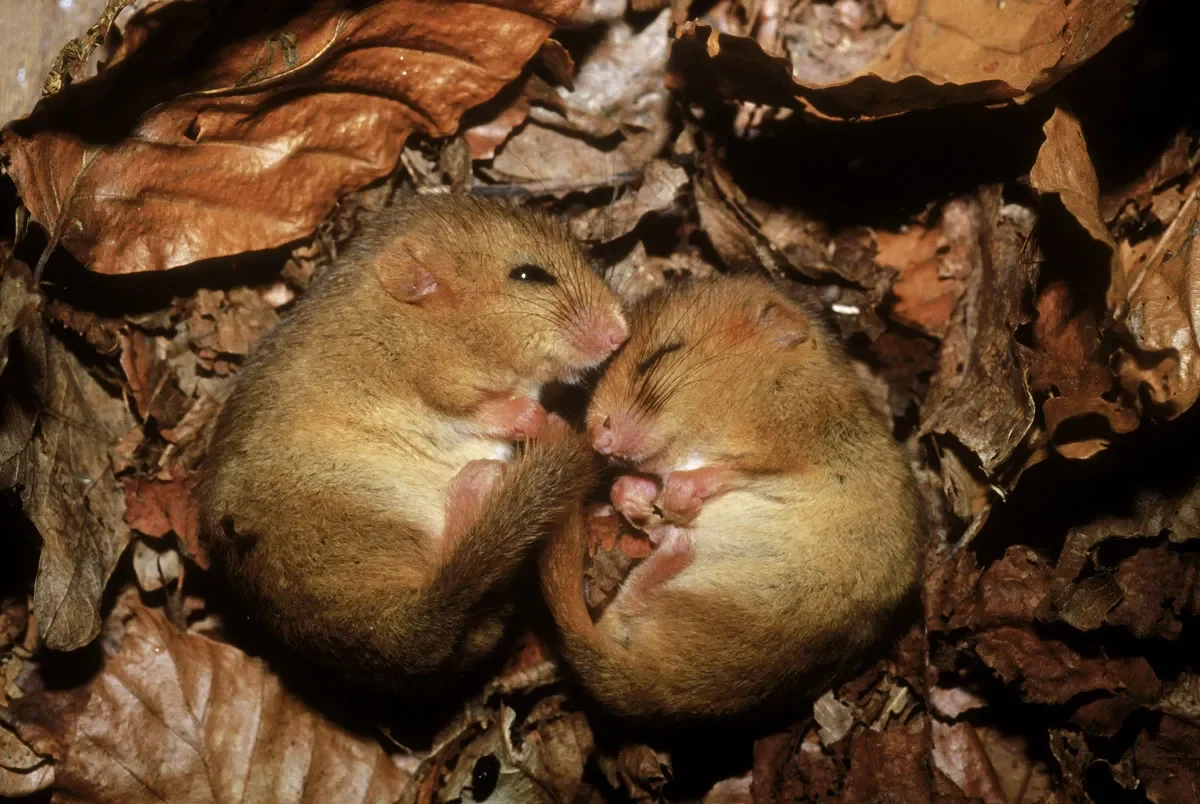
Hazel dormouse aren't just called hazel because of the colour ,and their liking of the hazel nut,but because they love to sleep at the bottom of hazel trees where the branches meet the stool.
The dormice are arboreal, which means they spend their life on the trees instead of on the land because of the fact thatpredators can see and catch them easily on land.
Although this is true it doesn't stop them from having a little nap at the base of the hazel nut trees where they can get all the food they need for themselves and their younglings.
diet
Dormice are successional eaters so their diet shifts with the seasons, it is made up of hazel nuts, blackberries and surprisingly even bird eggs!
Habitat
Dormouse are found mostly in Wales to England but have never been known to be in Scotland.
They dislike maritime weather because it interferes with their hibernation.
More hazel dormice
Dormice females have litters of like 1 to 2. Dormice nests normally have green leaves in them because they can then take leaves as they pass around the top of trees since that is were dormice tend to be. These creatures have been known to steal creatures nests when they are out and doing their own stuff.
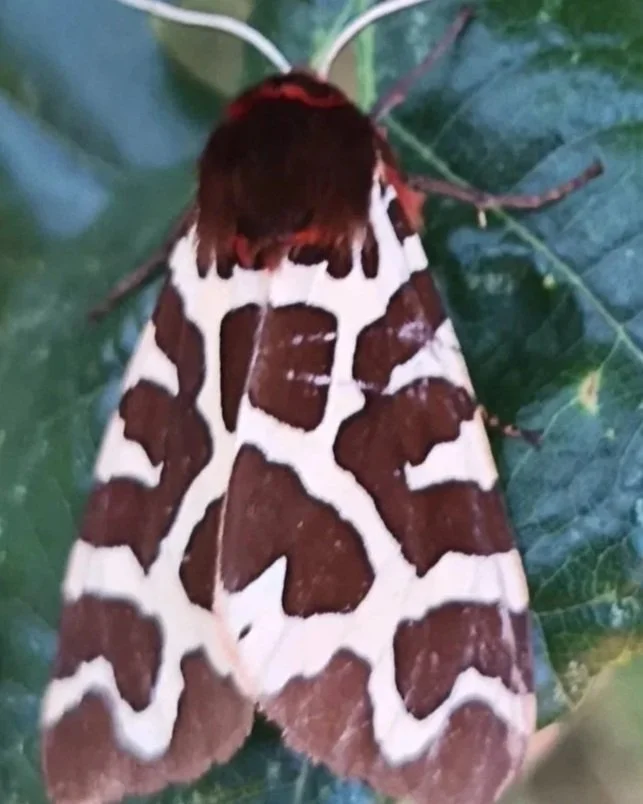
Garden Tiger Moth
Moth
We slept on the land and woke up to inspect the moths that had been caught in the traps overnight. The moth traps are a light with a funnel into a barrel that the moths fall into and then hide among the egg cartons left in there to give them nooks and crannies.
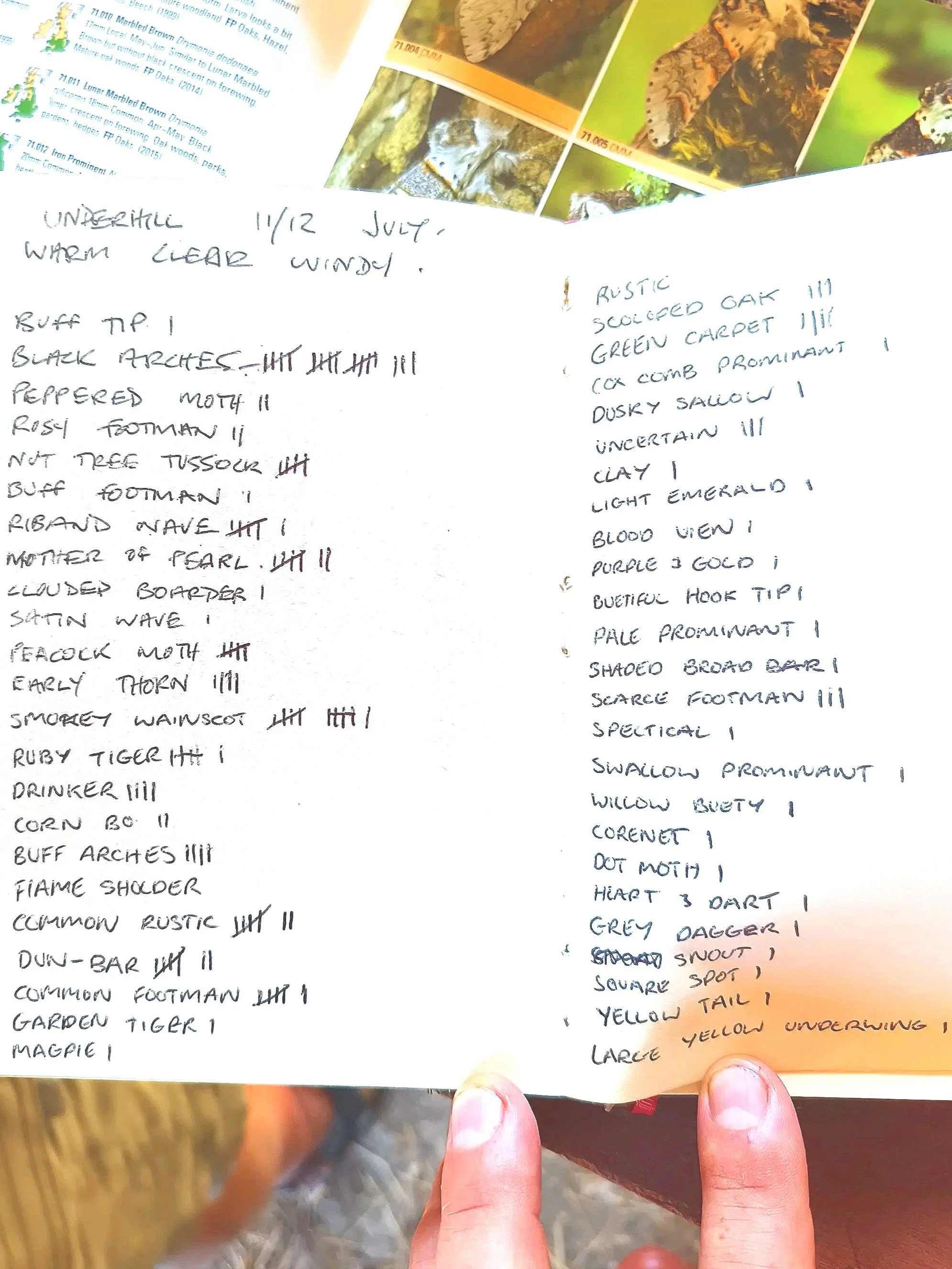
Tony Davies of British Butterfly Conservation opened up the moth traps with us, showing us the variety of moths that were inside.
In total we found: 56 species of moths and some new types that have not been found at UNWR before. One of these types is the Garden Tiger. The Garden Tiger’s caterpillar is the Wooly Bear.
It feeds on nettle,dock and hounds tongue ,which is a type of plant.The Wooly Bear is blacky-brown and spicky since thats how it gets its name. This caterpillar is around 28-37cm long
If the Garden Tiger is disturbed it displays its orange hindwings with blue- black spots and produces a clear yellow fluid from two ducts behind the head. Other moths that are new to UNWR is the Cloaked Carpet.
Some interesting species found are: Buf Tip (it looks like a snapped hazel twig), Black Archer, Rosey Footman, Blood View and the Light Emerald.
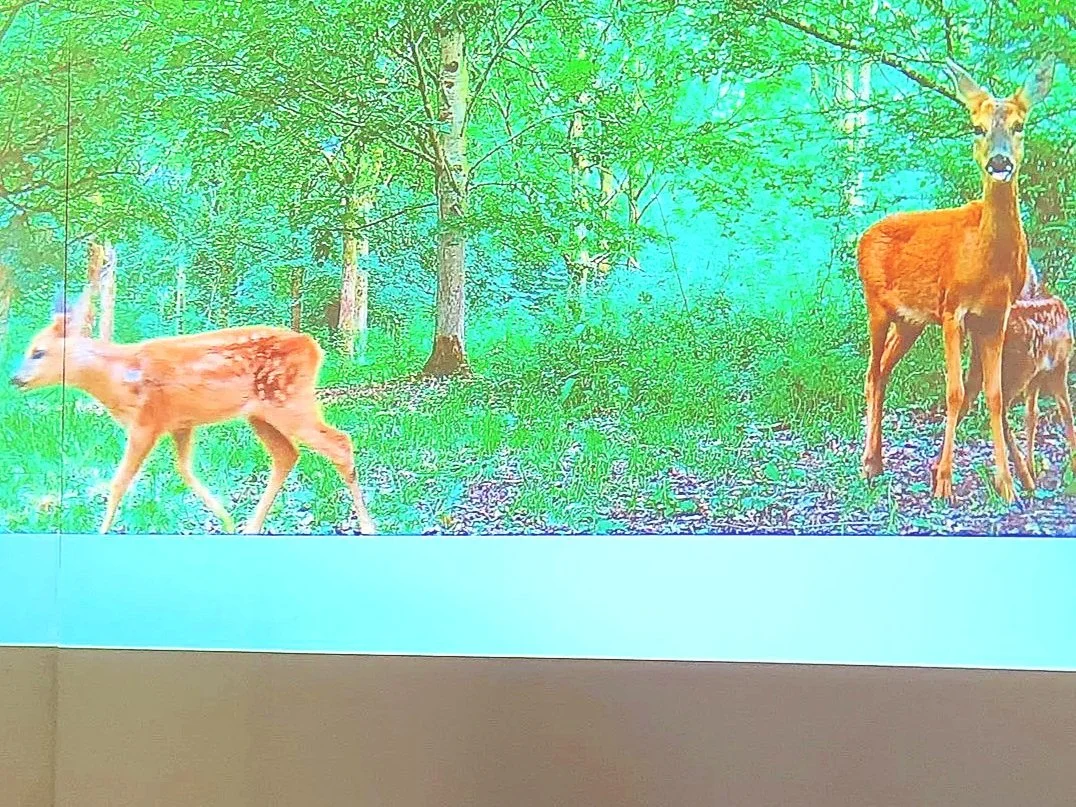
Mystery?
Roe Deer
Young Roe Deer are not frettened by humans because they do not yet know what is good and what is bad .
This Sessions Big Question
Home Alone
Here at UNWR there are lost roe deers looking for a new parent but the question is what happened to their parents . . .
Good News
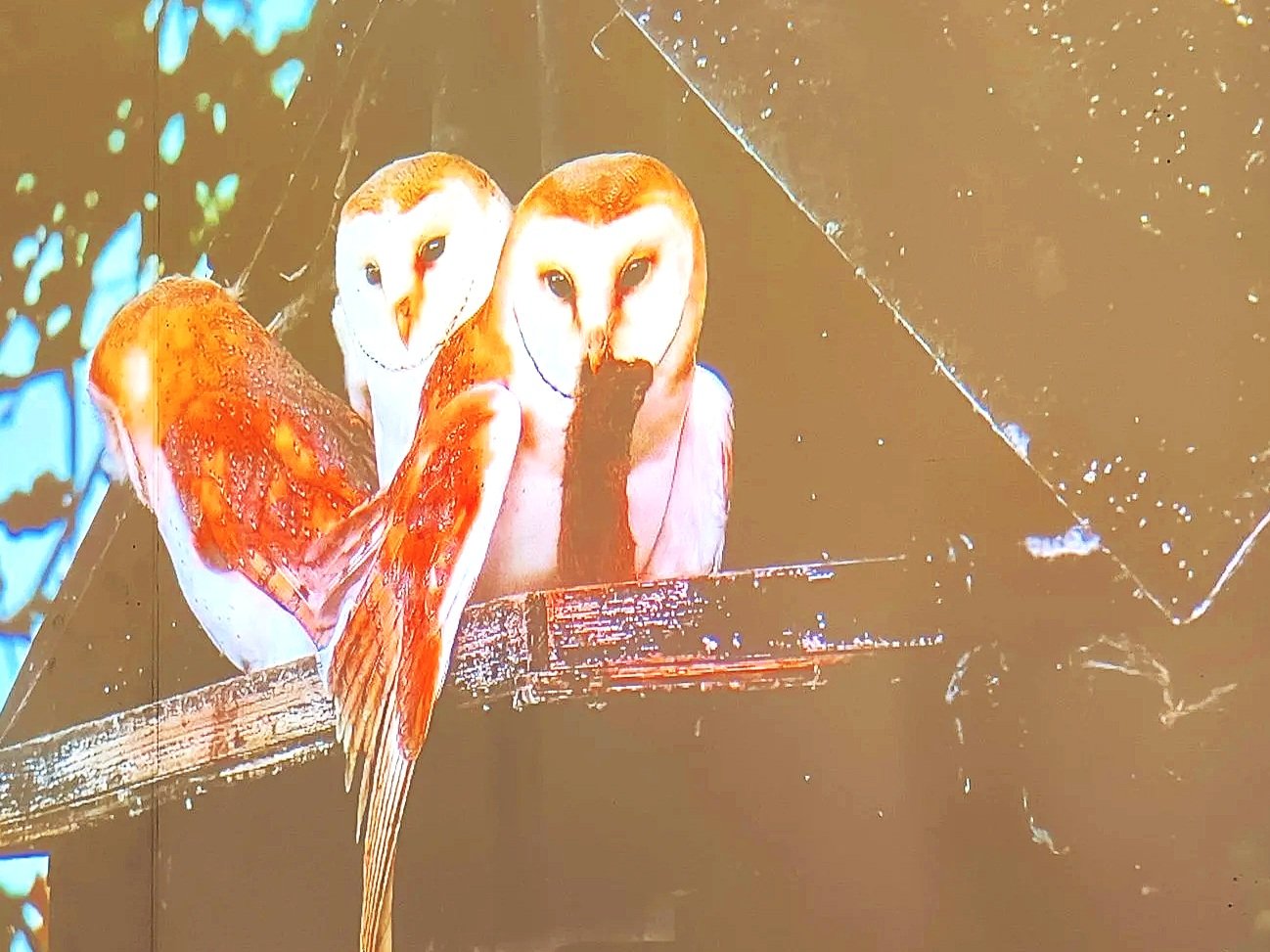
Because of last year's drought all the field voles died meaning that the barn owls had nothing to eat and eventually might have died! But the good news is there is footage of new Barn Owls trying out our barns here at UNWR!
Prize Time
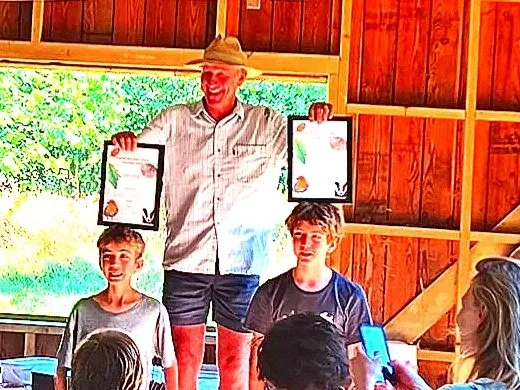
Two of our young ecologists got the very first Underhill Wood Nature Reserve Conservation Award!
Busy Beavers
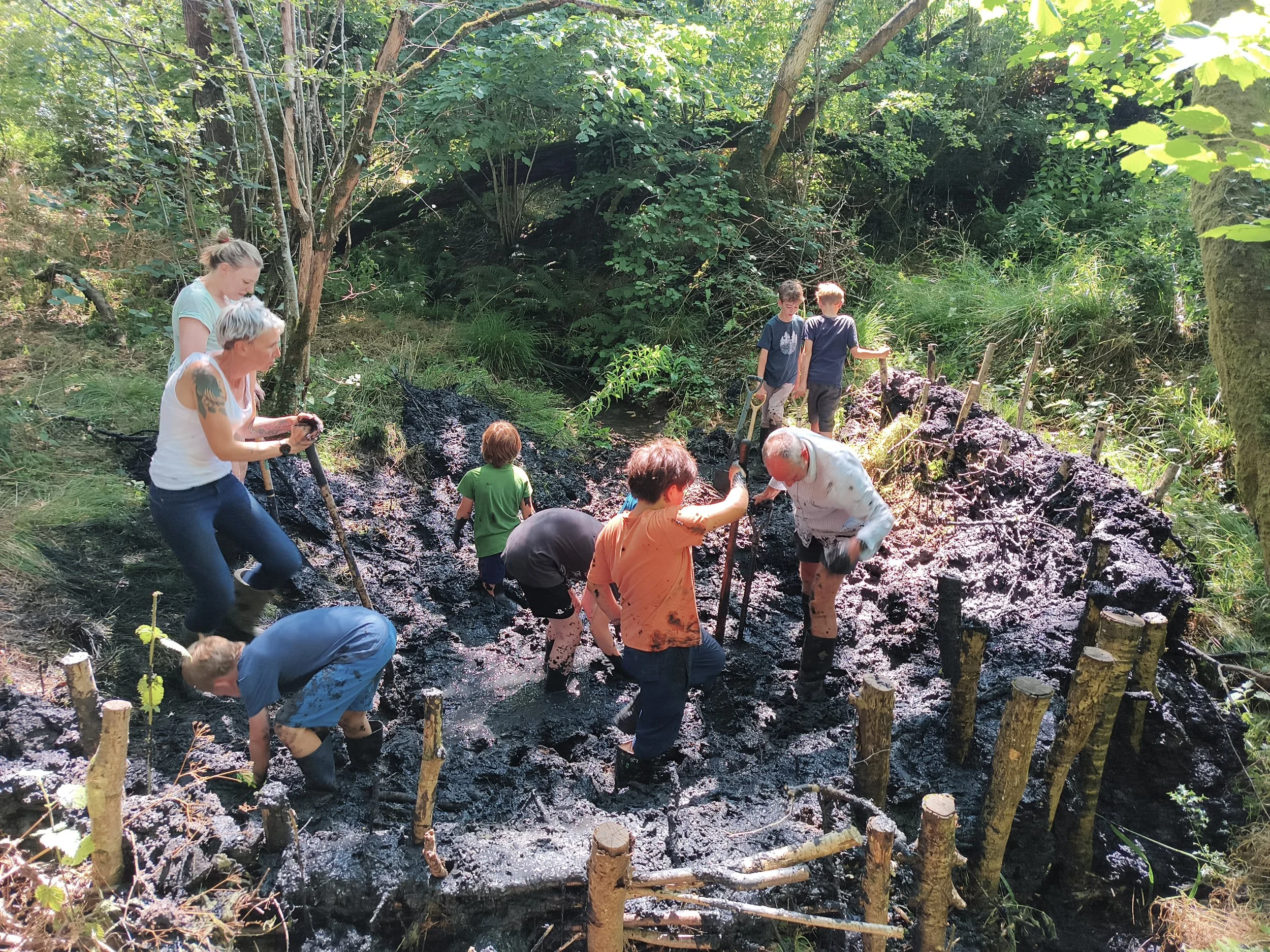
We did more work on the beaver dam analogues. This is a dam that we have worked on every year. It is getting bigger every year. This time we moved the mud that had silted up the bottom and added heavy stones to the base. Then Jonathan and parents smashed some stakes into the ground. We cut down hazel and weaved it between the stakes.
The beaver dam analogue creates habitats for more creatures to live in. It slows down water, it makes a pool so that other creatures can still have water when it gets drier. It also helps clean the water a little.
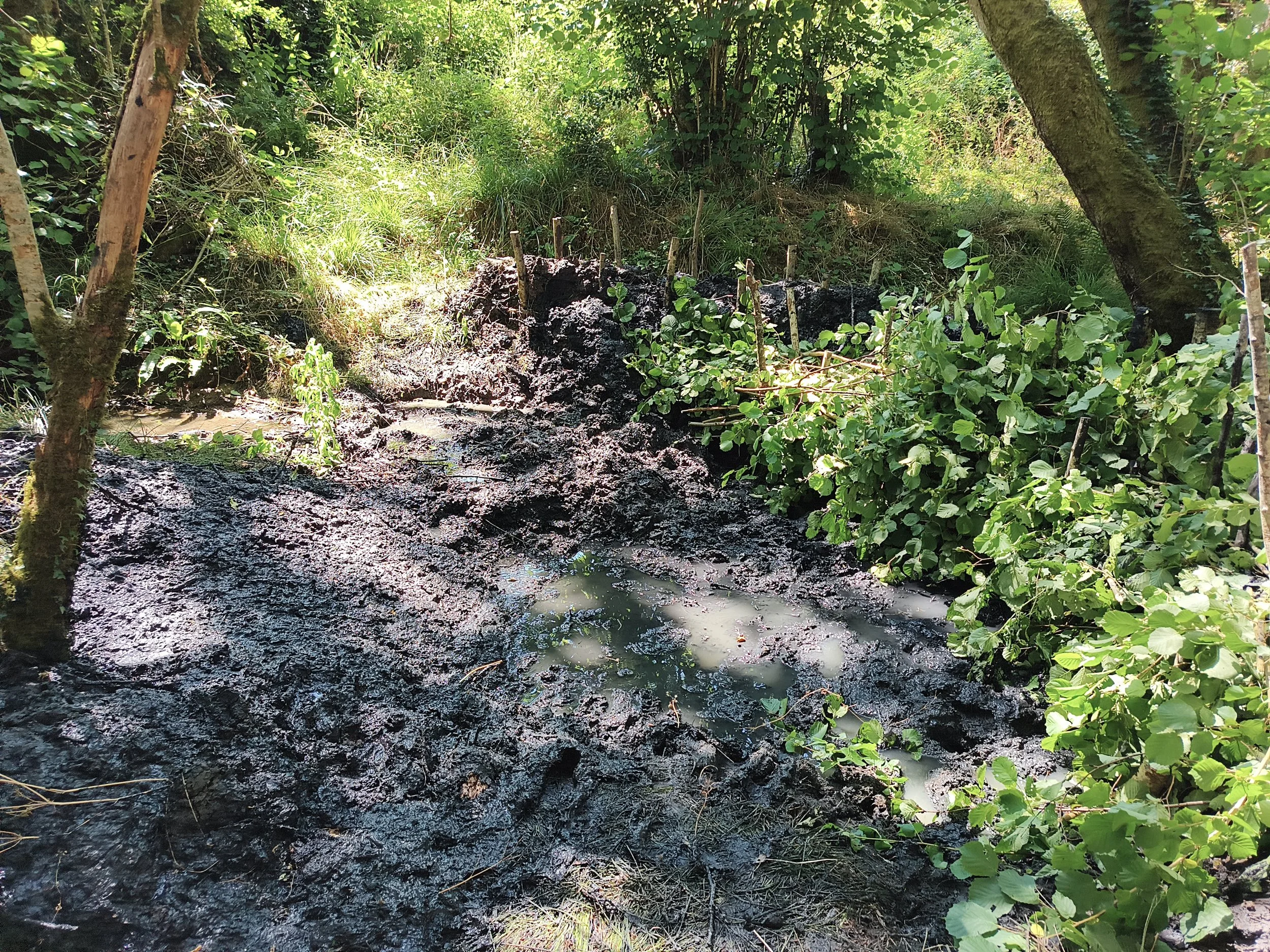
Finished beaver dam analogue starting to fill already.